What is PuriEasy Food Cleaner?
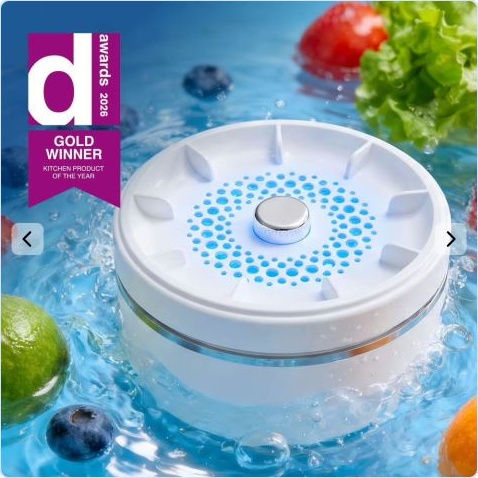
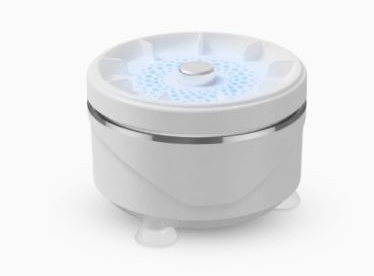
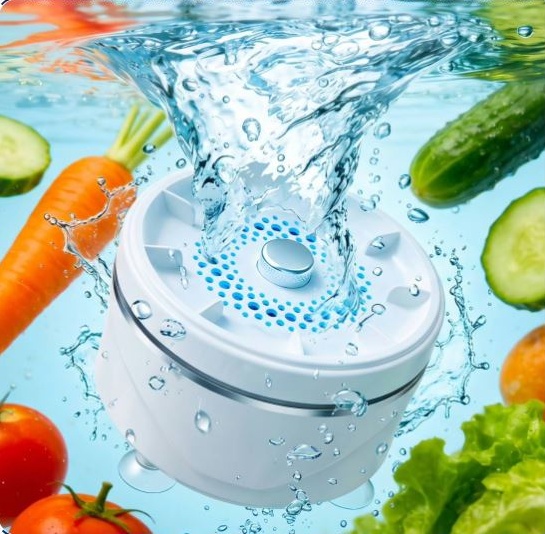
PuriEasy Food Cleaner is presented as a compact appliance for cleaning fruits and vegetables in water. The supplied product artwork shows a round, white device with a central button and a blue illuminated cleaning surface. Its appeal is easy to understand: fresh produce is part of everyday cooking, but preparing it can feel like one more task before a meal. A dedicated device may offer a more organised routine for people who regularly bring home berries, leafy greens, cucumbers, apples, and other ingredients.
This guide takes a practical look at that routine rather than treating advertising as laboratory evidence. It explains what to consider before buying, how to approach produce preparation, and where ordinary food safety habits still matter. Product specifications, cleaning times, supported foods, and care instructions should always be checked in the current seller listing and the manual supplied with your unit.
Why produce preparation deserves attention
Fruits and vegetables travel through several environments before reaching your kitchen. Soil, handling, storage, and transport can leave visible dirt or unwanted material on their surfaces. Even an apple that looks polished deserves attention before it is sliced. The aim of a sensible preparation routine is not to make food sterile. It is to handle ingredients carefully, remove surface dirt, and avoid introducing contamination during preparation.
Start with your own hands and work area. Wash your hands, use clean utensils, and keep fresh produce away from raw meat and its juices. A dedicated food cleaner does not replace these steps. It belongs, if used, within a wider routine that includes safe shopping, storage, washing, and cooking. These simple habits are useful whether you choose PuriEasy Food Cleaner or continue preparing produce with plain running water.
A closer look at the cleaning concept
The supplied PuriEasy promotional images describe OH-ion electrolysis and rotating water flow. In general, electrolysis uses an electrical process in water, while circulating water can help move loose material away from surfaces. Those descriptions explain the intended concept, but they do not establish how much residue a specific unit removes from a particular food. Water quality, load size, exposure time, and the shape of the produce can all affect a cleaning process.
Treat precise removal percentages, bacteria claims, and extended freshness claims as questions to investigate, not guarantees to repeat. Ask whether a seller provides independent testing, identifies the substances tested, and explains the conditions. A useful report should relate to the exact model being sold. Marketing phrases alone cannot show that a device removes every pesticide or makes contaminated food safe to eat.
Build a simple kitchen routine
An effective routine is one you can repeat without creating extra clutter. Set aside a clean bowl or sink area, inspect the produce, and remove damaged or rotten portions. Check the manual before deciding how much water to use or how many ingredients to place together. Do not assume every bowl size or food type is suitable. Leave enough room for water to reach the exposed surfaces rather than tightly packing the container.
If the instructions specify a cleaning cycle, follow that cycle and any required final rinse. Avoid adding soap, household detergent, or improvised chemicals to the water. After preparation, dry the food using a clean cloth or paper towel where appropriate. Clean the container and the device according to the manual so the next batch begins with clean equipment. Consistency matters more than adding complicated steps.
Handle delicate berries thoughtfully
Berries are a good reminder that produce is not one uniform category. Raspberries and ripe strawberries can bruise easily, while blueberries often tolerate more handling. Inspect the fruit first and discard mouldy or badly damaged berries. Keep contact gentle, avoid squeezing, and do not assume a longer cleaning cycle will deliver a better result. Check whether the manufacturer specifically includes delicate berries among the supported foods.
For ordinary preparation, gentle rinsing with plain running water is a familiar starting point. Washing close to serving time can help avoid leaving delicate fruit wet during storage. When you do wash ahead, dry carefully and refrigerate appropriately. PuriEasy Food Cleaner should be assessed for convenience within that process, not as a reason to overlook mould or keep damaged fruit. No cleaning appliance can restore spoiled berries to their original condition.
Give leafy vegetables room to open
Lettuce, spinach, and other leafy greens create different challenges from smooth fruit. Dirt can sit between folds, and tightly clustered leaves can keep water from reaching every surface. Remove damaged outer leaves and separate leaves when the preparation instructions allow it. Use a clean container and avoid crowding. If you use a device, confirm that its guidance covers leafy vegetables and explains the recommended load.
Read packaging before washing commercially prepared greens. Products labelled prewashed or ready to eat may not require another wash; follow their label and current food safety advice. For greens that need washing, keep the process gentle and pay attention to visible dirt. Drying with a clean salad spinner or suitable towel can make storage and serving easier. Keep washed vegetables separate from unwashed ingredients and raw animal products throughout preparation.
Do not forget firm produce and peels
Cucumbers, apples, carrots, and melons often look easier to clean because their surfaces are firmer. They still need appropriate preparation. The FDA recommends rubbing produce under plain running water and using a clean produce brush for firm items such as melons and cucumbers. Washing before peeling is important because a knife can transfer material from the outside to the edible interior.
A food cleaning device may be an additional step if its instructions support the ingredient, but it should not encourage skipping visible inspection or appropriate brushing. Remove trapped soil, check crevices, and trim damaged areas. Do not use a dirty brush or a container that previously held raw meat without cleaning it properly. Think about the complete journey from the shopping bag to the cutting board, rather than focusing only on the washing stage.
Cleaning is not the same as food safety
The most important distinction in this guide is between cleaning a surface and guaranteeing safety. Washing can reduce unwanted material, but it does not eliminate every risk. Produce affected by a recall should be handled according to the recall notice, not put through a cleaning cycle. Rotten food should be discarded. A device cannot provide a reliable shortcut around official warnings or make every raw ingredient suitable for every person.
The FDA advises washing produce with plain running water and does not recommend soap, detergent, or commercial produce washes. Keep this advice in mind when evaluating extra kitchen products. People with specific health risks may need additional guidance about raw produce from their healthcare professional. Safe temperatures, clean hands, separation from raw meat, and appropriate cooking remain important. PuriEasy Food Cleaner is not a medical product or a replacement for those precautions.
Be realistic about freshness and storage
Freshness depends on much more than the cleaning method. The condition of produce when purchased, refrigerator temperature, moisture, packaging, and time all play a role. The promotional artwork mentions longer freshness, but a universal multiplier should not be assumed without relevant evidence. Two batches of strawberries can behave differently even when they receive the same washing treatment.
Buy quantities you can use, inspect food regularly, and store each ingredient appropriately. Avoid leaving washed produce sitting in warm water or on the counter unnecessarily. Dry suitable ingredients before refrigeration and use clean storage containers. Some foods tolerate washing ahead, while delicate berries may be better washed closer to eating. A thoughtful storage routine can reduce waste without relying on an appliance to reverse ageing. When in doubt about spoilage, do not use a fresh appearance alone as proof of safety.
Keep the device clean between uses
Any tool used around food needs its own care routine. After a cleaning session, follow the manufacturer’s directions for rinsing, drying, and storage. Check whether particular surfaces require gentle wiping and whether any parts can be removed. Do not improvise with abrasive pads, strong cleaning agents, or dishwasher cycles unless the manual permits them. Residue left on equipment can undermine an otherwise careful preparation process.
The supplied artwork describes waterproof and cordless features, but confirm the exact rating and charging precautions for the purchased model. Waterproof does not automatically mean every accessory can be submerged, and a charging base may have different restrictions from the main unit. Keep electrical connections away from water as instructed. Allow the unit to dry appropriately before storage or charging. Stop using it if the casing, seals, cable, or charging equipment appears damaged.
Check the details before purchasing
Before buying PuriEasy Food Cleaner, read the current offer instead of relying on a screenshot. Check the model name, included accessories, supported foods, dimensions, charging requirements, and operating instructions. Make sure the unit will fit the bowl or kitchen space you intend to use. If practical details are unclear, ask the seller for the manual before placing an order.
Also review the full delivered price, shipping region, estimated delivery window, warranty, and return conditions. An advertised discount is meaningful only in context, and offers can change. Understand who handles returns and whether return shipping or other conditions apply. This website links to an external purchase page; orders, payments, fulfilment, and support are handled by that seller. Confirm its terms directly and keep a copy of the order confirmation for your records.
Decide whether it suits your household
A kitchen appliance earns its place when it solves a practical problem for the person using it. If you prepare fresh ingredients most days, you may value a dedicated produce-cleaning step. If you have limited counter space or usually wash a single piece of fruit, a simple rinse may remain the more convenient option. Consider setup, cleaning, charging, and storage rather than looking only at the advertised cycle time.
Think about the foods you actually eat and the amount you prepare at once. A device that suits one household may be awkward for another. Compare its verified instructions with your current routine, and decide which benefit matters most to you: organisation, ease of handling, or a repeatable preparation process. Keep expectations grounded. Convenience can be worthwhile, but it should not depend on unsupported promises about complete pesticide removal or guaranteed safety.
Evaluate the everyday experience
When comparing a produce cleaner with your existing method, pay attention to the whole session. Notice how long filling the container takes, whether ingredients have enough space, and how easily you can empty the water afterward. Include the time needed to rinse equipment and put it away. A short advertised cycle is only one part of the experience. The best choice should make your ordinary preparation feel manageable rather than adding work that you do not enjoy.
You can also keep a simple record of the foods you prepare most frequently. Write down the batch size, any instructions you needed to check, and whether the process fitted naturally into making dinner. Do not interpret changes in appearance or water colour as scientific proof of pesticide removal. Those observations may tell you about visible dirt, but they cannot identify every substance present or measure food safety. For performance questions, look for suitable independent evidence instead. For everyday convenience, your own careful observations can help you decide whether the product belongs in your kitchen. Revisit that decision after several normal meals, and keep the basic washing and storage habits that work well for you. A useful appliance supports an established routine without encouraging you to skip inspection, clear instructions, or the precautions recommended by trusted food safety sources.
A more considered approach to clean food
PuriEasy Food Cleaner offers a product concept built around everyday produce preparation. The sensible way to evaluate it is to combine curiosity with practical checks: look at the current specifications, understand the instructions, ask for evidence behind performance claims, and compare the routine with what already works in your kitchen. A clear manual and transparent seller terms are more useful than dramatic advertising alone.
Whatever you choose, keep the fundamentals in place. Wash your hands, inspect ingredients, use clean equipment, follow appropriate washing guidance, dry and store food thoughtfully, and respect recalls. Those habits remain relevant with or without a device. If PuriEasy fits your needs, visit the purchase page to review the current offer and details before deciding. The goal is a calm, repeatable kitchen routine that helps you prepare fresh food with care.
Sources & editorial note
This is an informational product guide, not an independent performance test. Product artwork was supplied by the website owner. Promotional claims inside those images, including awards, discounts, ratings, and removal or freshness claims, have not been independently verified.
FDA: 7 Tips for Cleaning Fruits, Vegetables